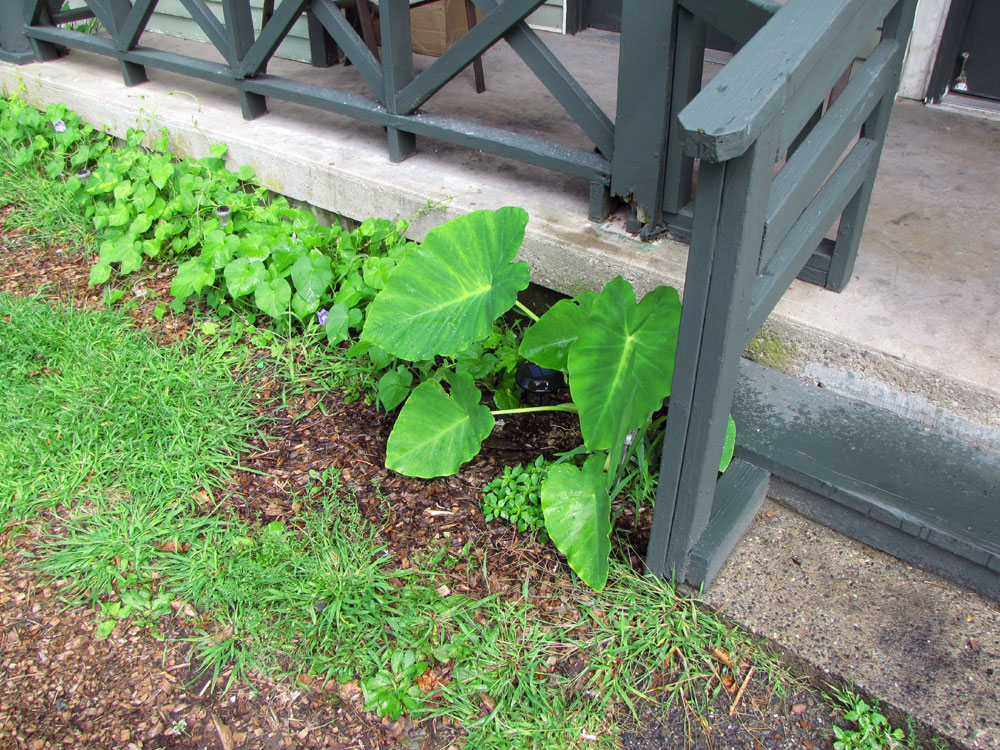
I started the evening switching to the Powershot’s “Slide Film” color mode, but that didn’t feel like the right choice, so I switched to “Black and White” mode, cranked the ISO as high as it would go (1600) and set Aperture to f4 and let the camera figure out the exposure time.
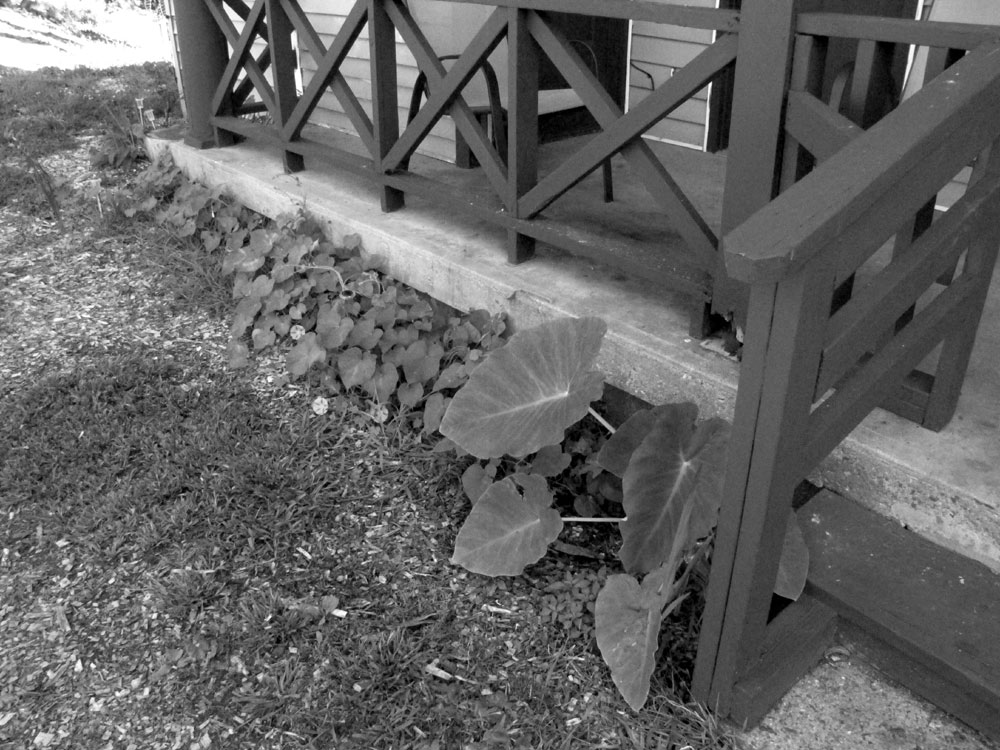
In the shade, exposure was fine, but going out into the bright clearly overtaxed the speed this shutter can do and much gets blown out. I just kinda rolled with it though, shooting a few exposures to see where that might look good. Not being able to chimp means you just try it out and see what happens. Not like I’m burning film or anything.
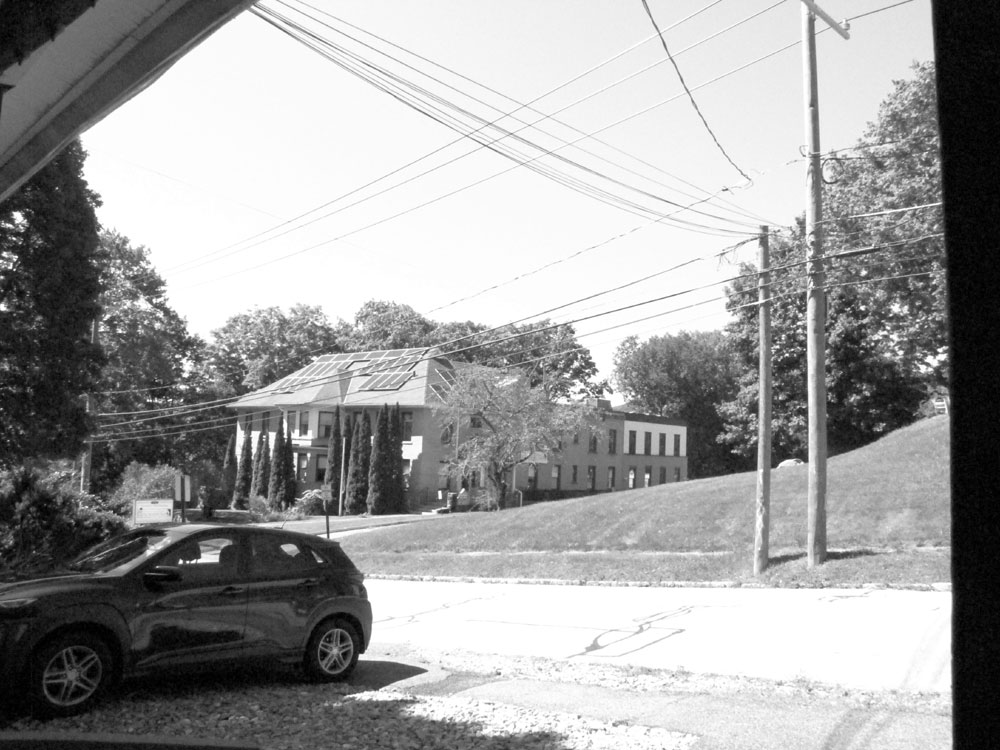
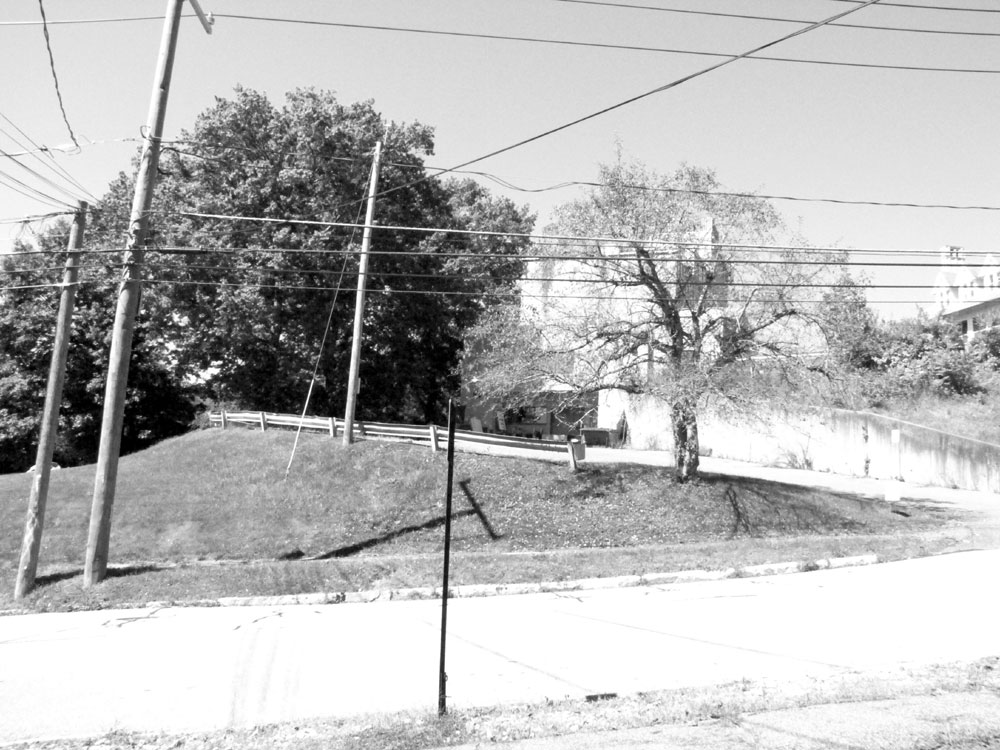
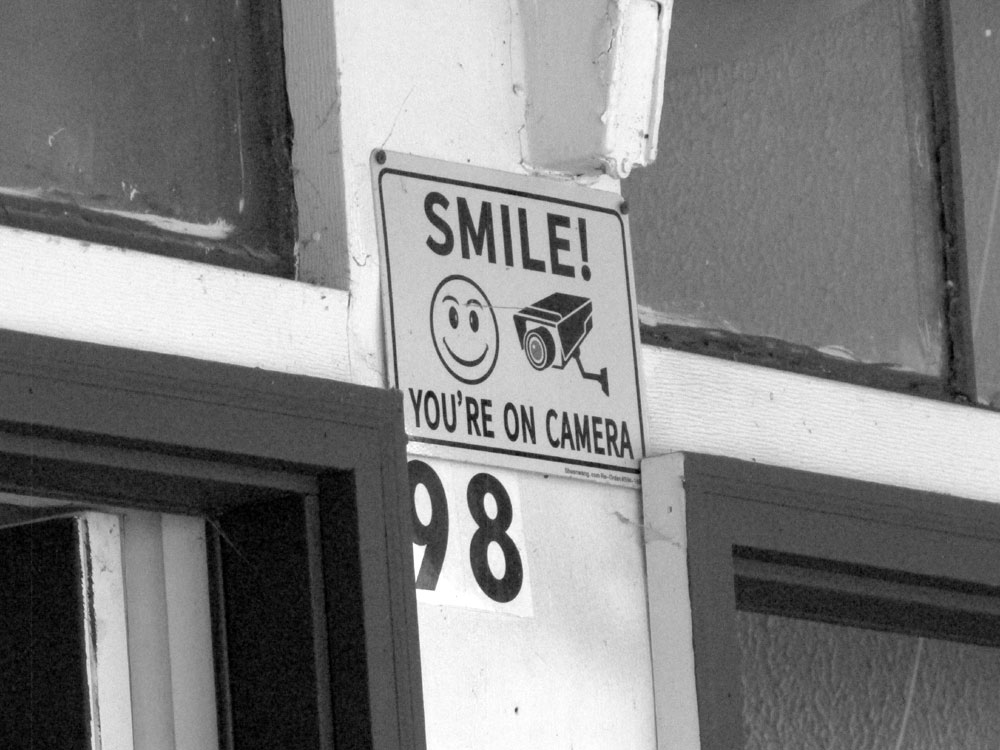
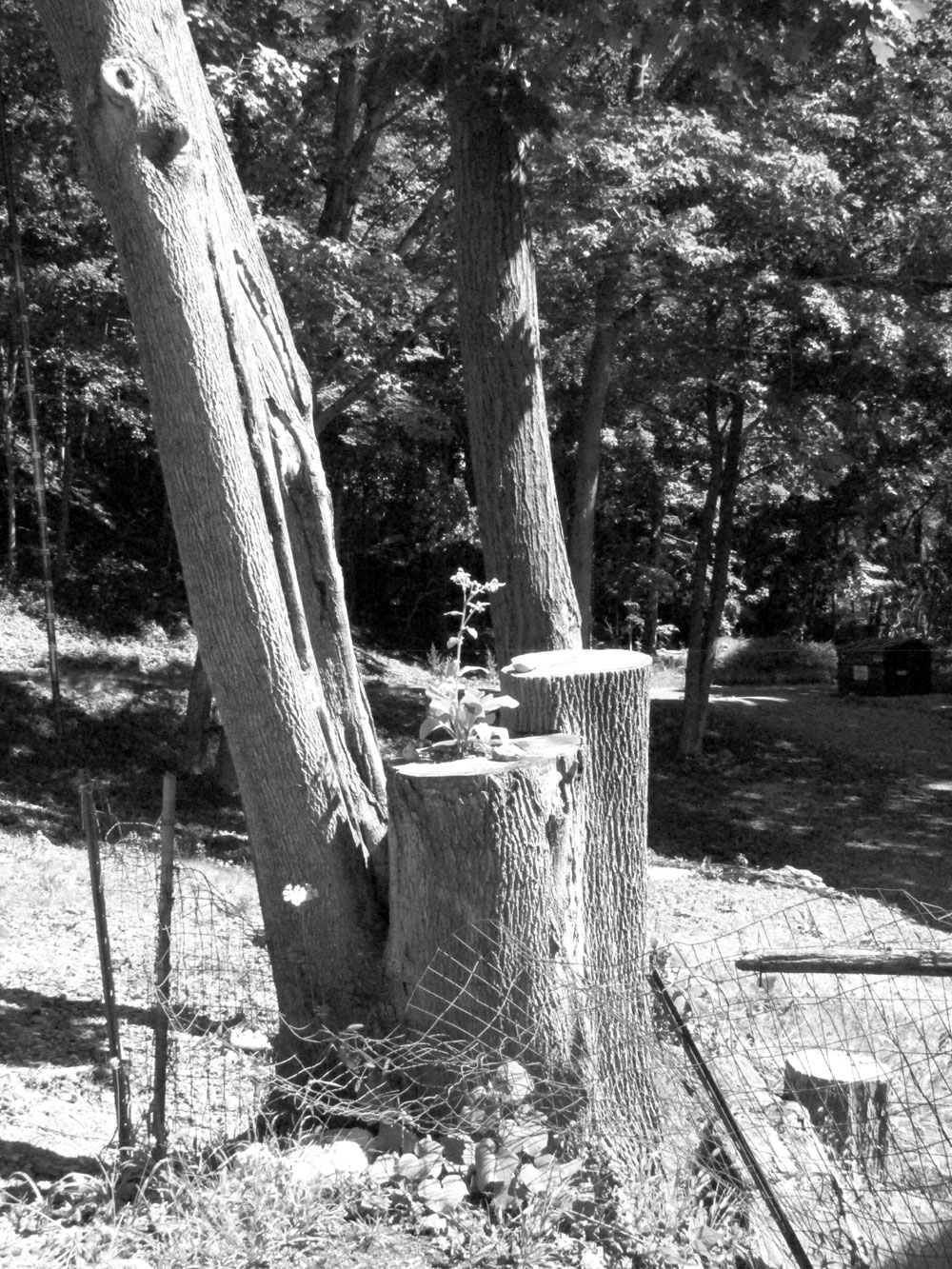
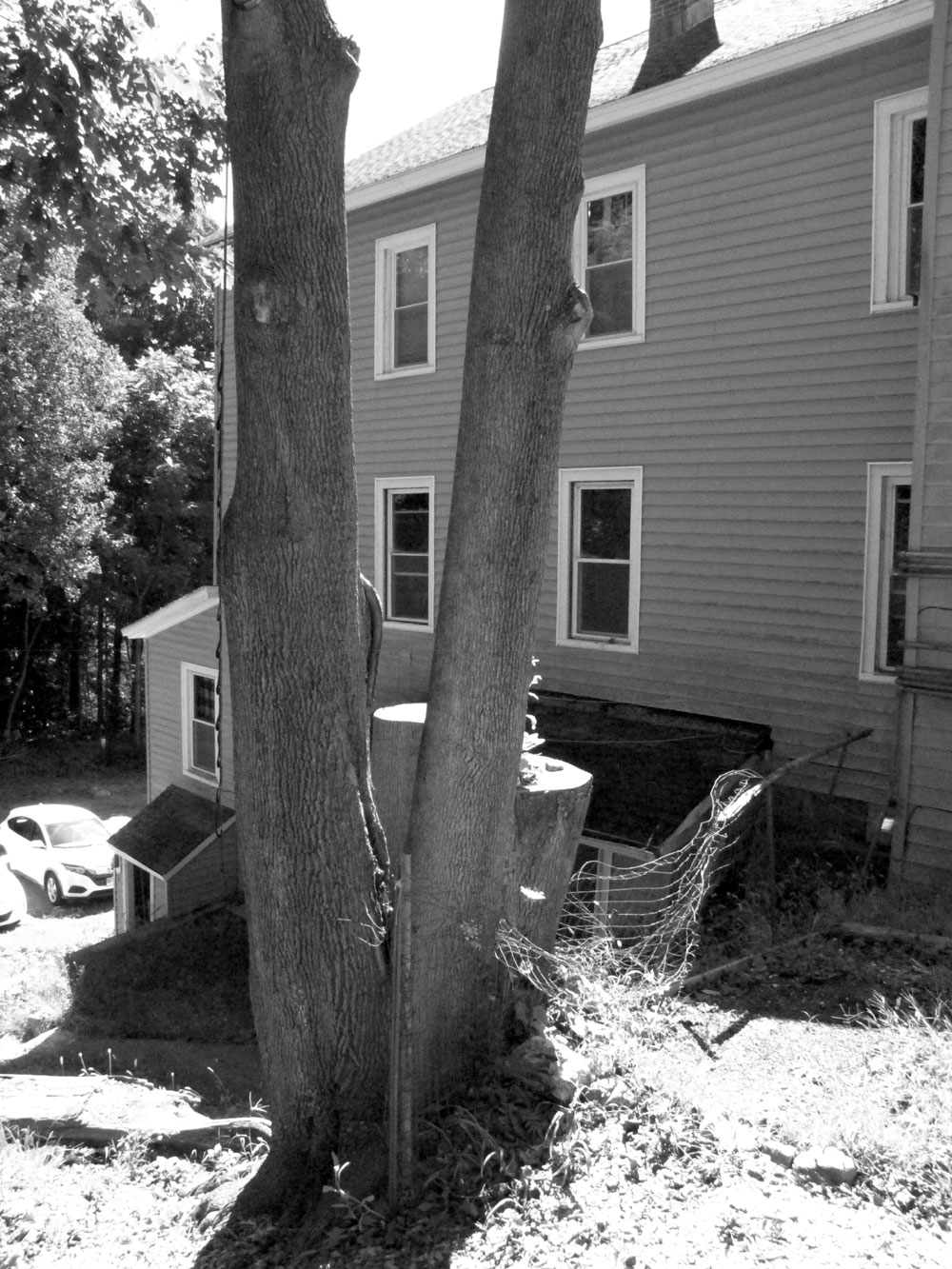
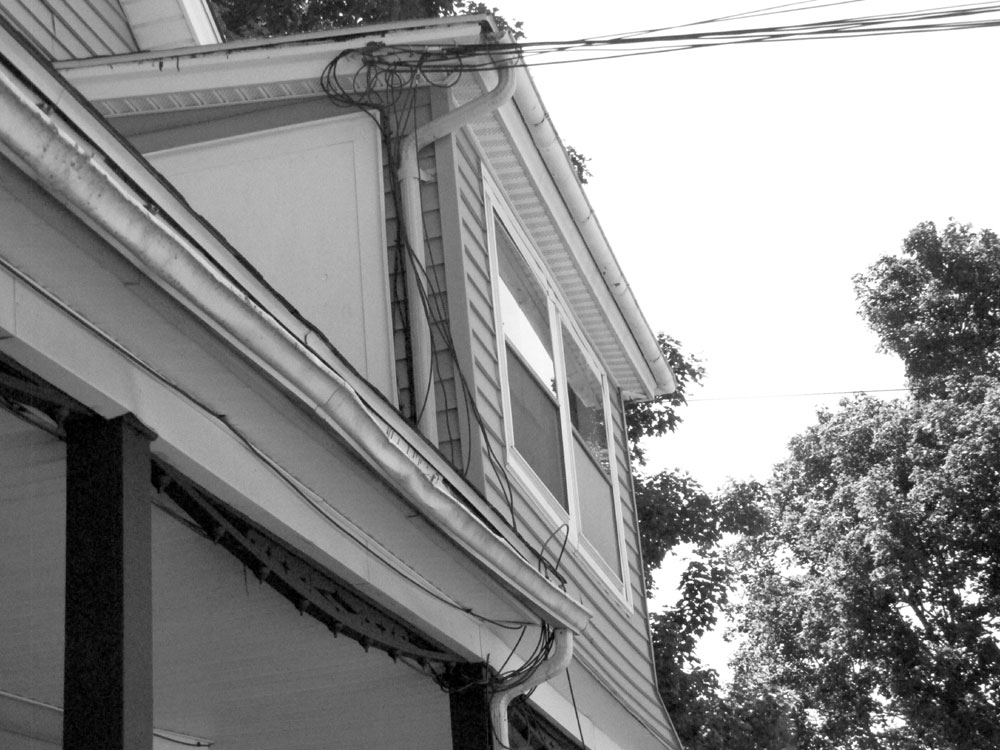
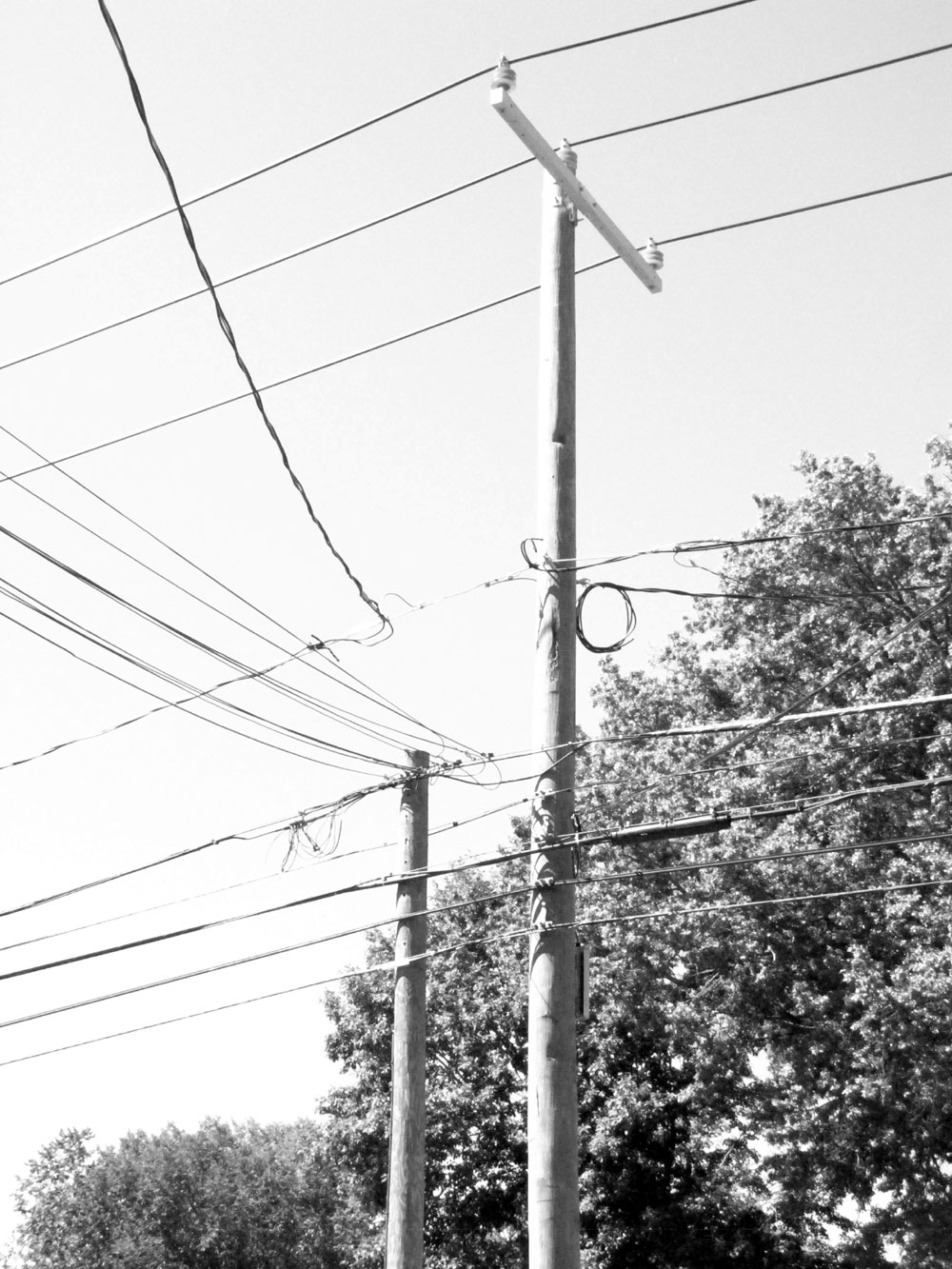
Ok, let’s squeeze down to f8 aperture and get some of that tone back into the sky. You get an idea of the contrast in the EVF, but it’s a rough approximation of what the camera will actually record.
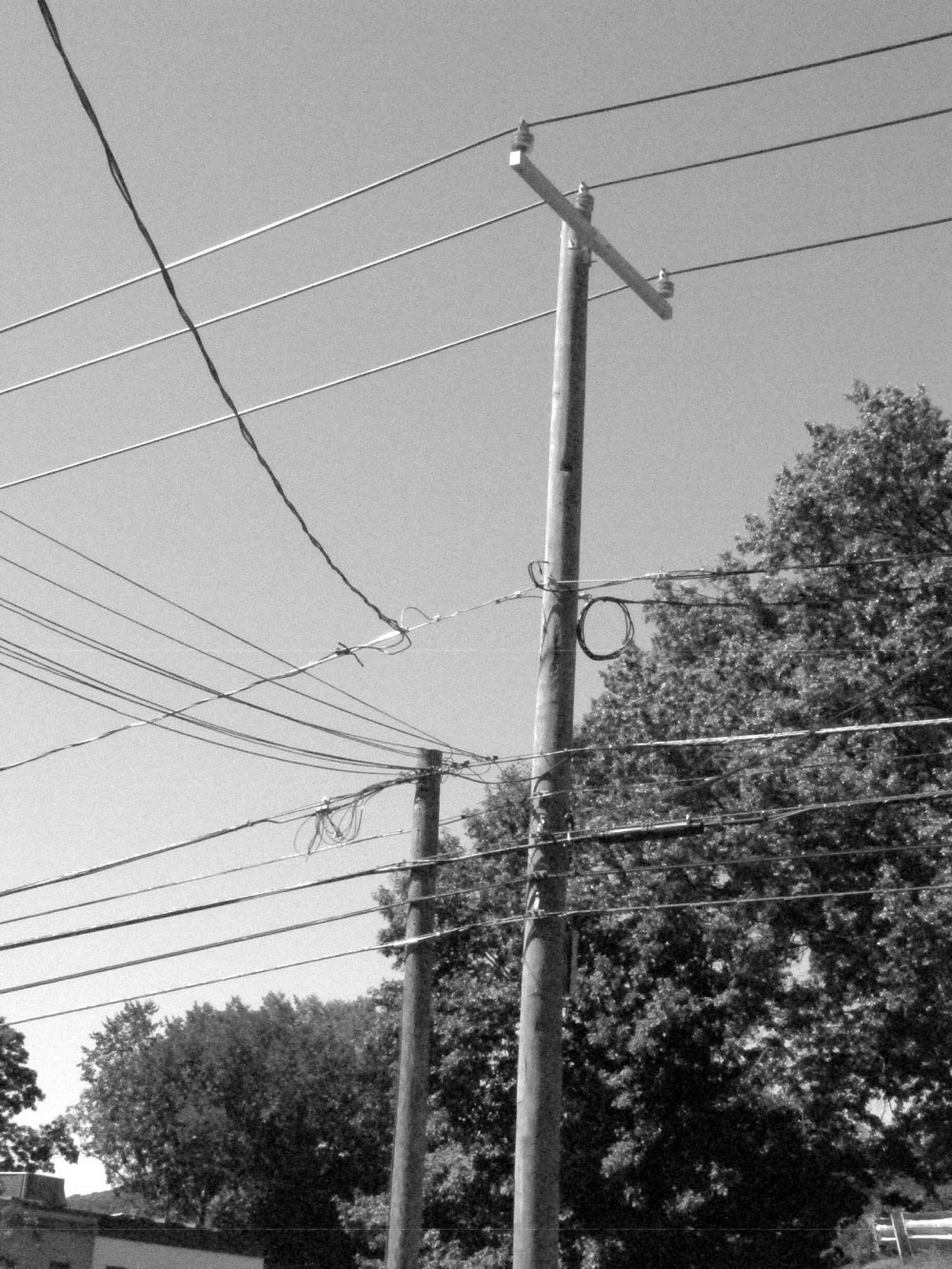
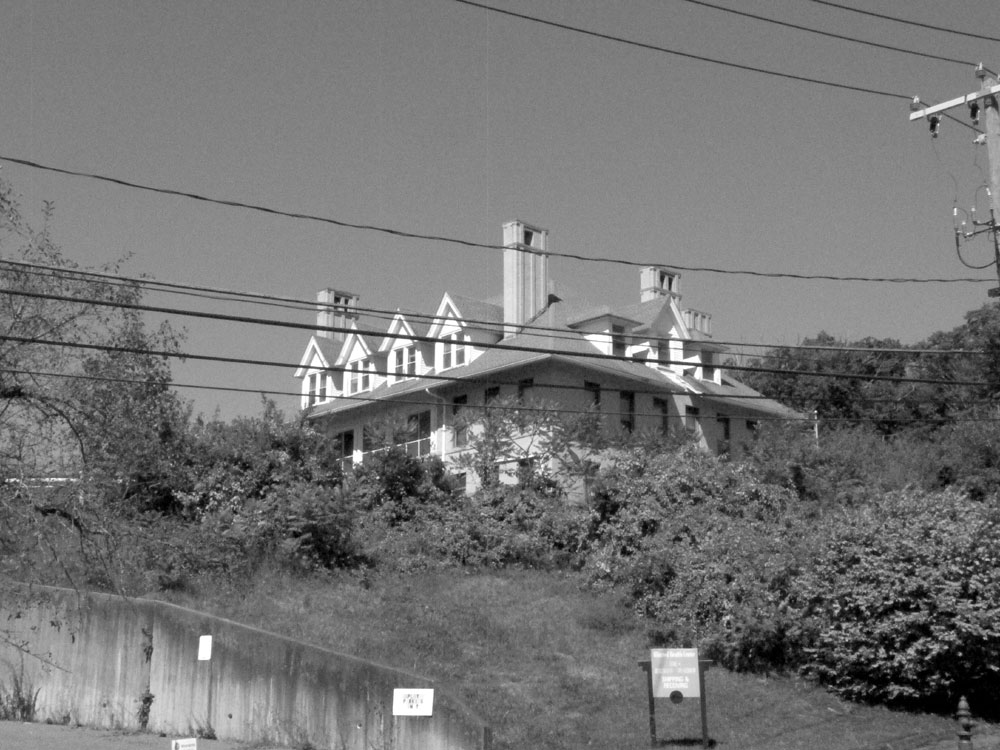
And as the evening sinks into night, I set the Powershot out on the railing and made a bunch of exposures as cars came by and the sun sank below the mountains. The old hospital at a very Dutch angle with the camera’s sensor struggling to suck light at its highest, noisiest ISO and the lens stopped all the way down took on a very 16mm B&W film look. That meant an animated GIF, of course, as I wave my Ghost Wizard Wand and enchant the lights on at the hospital, crash-zooming in just in time to catch the big floodlight kick on! Sweet – all I needed at that point was Bigfoot to stroll by as I eased the zoom back in, but that cryptid was un-cooperative and remained elusive to my enchantments. :D
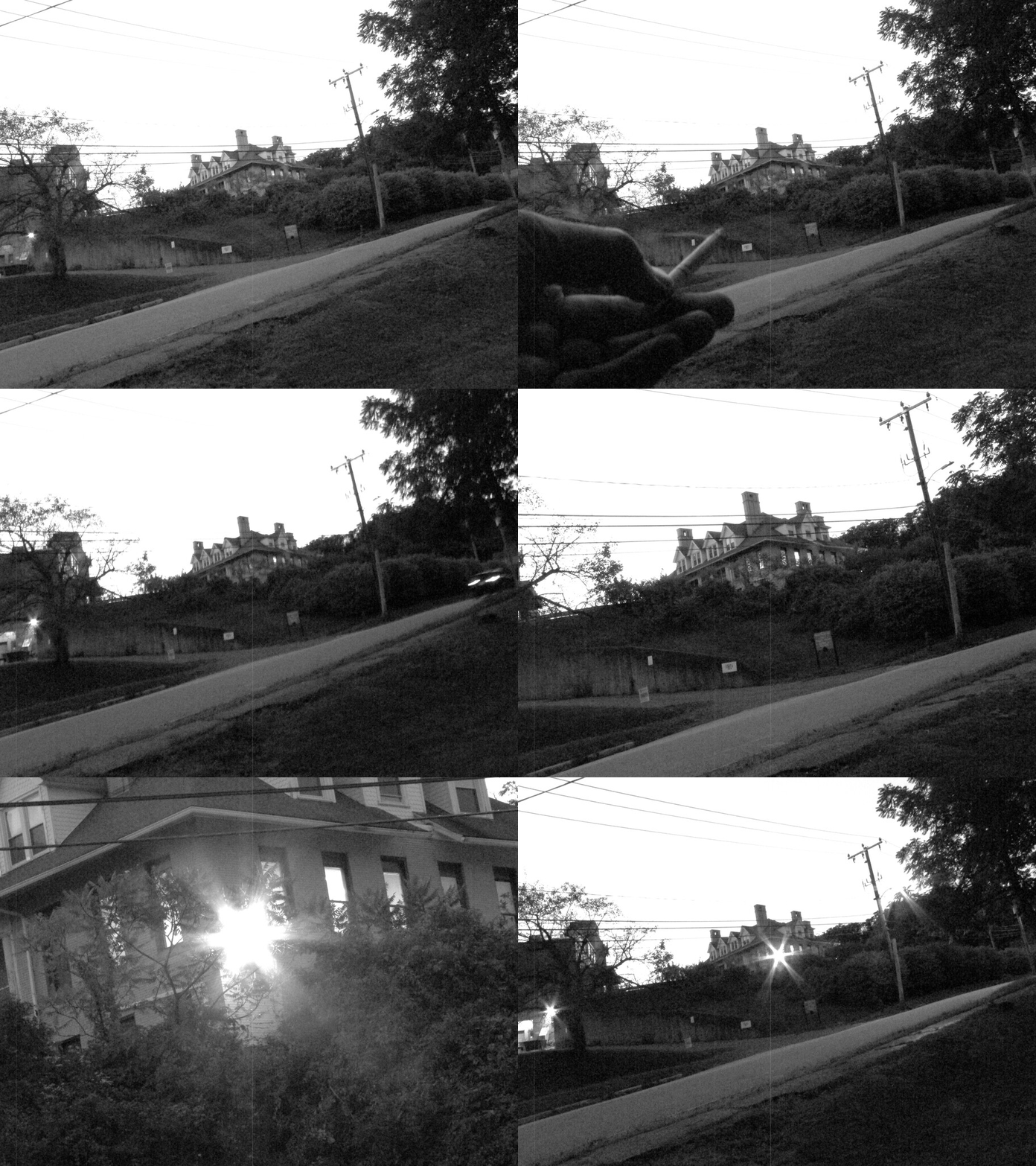
Since I believe in Warhol’s theory of factory production of art, I made the beep-boop add some contrast to my image series, resize them by a quarter and then string them all together into an animated gif with 2 easy commands:
for file in *.JPG; do convert -brightness-contrast 11×22 -resize 25% $file $file; done
convert -delay 20 -loop 0 *.JPG animated.gif
The values? Eh, I could test them in Photoshop and see the result before committing to overwrite my originals, but YOLO – let’s enhance that Mexican Jumping Bean grain with 11% brightness and 22% contrast!
Heh, interesting result. The animated series at high contrast does show up a line of dead pixels running vertically through the center of the sensor, a fainter one to the left and one to the farthest left side. Not really noticeable in stills, but at these extremes it shows. It kind of adds to the scratchy 16mm vibe, tho. I guess you can’t expect *absolute* perfection in a camera that cost $24 and is nearly 20 years old, but you can certainly get something interesting. (:
That camera does quite well at the high ISO. Most camreas have noise at the highest ISO settings though.
I noticed the vertical line is very slight on the last still.
Your posts got me searching for my old Kodak P850 which I bought way back in the early digital days since it was less expensive than Canon cameras, it had a Schneider-Krueznack f2.8 lens, but only 5MP and 12x zoom which I think was about 400mm without using the 2x digital zoom. The digital zoom worked quite well as I have some images from St. Agugstine FL to the lighthouse across the intercostal waterway that show people on the top of the light not visible until I reviewed the images.
Yuh, this sensor seems to be new enough that the noise is just at the point of maybe being useful for specific looks other than “that Y2K Vibe”. I’m very much enjoying just pushing the thing to its limitations and seeing what narrative I can wring out of the frame. I almost forgot what a magical tool a camera can be all this time I’ve been exiled – very exited to unpack and play with all my old talismans.
Ha! My dad replaced his Olympus D-40Z with a Kodak Easyshare M583 after over a decade of using the Oly. I have that one too – it’s got some interesting film emulation modes built-in, as I recall – which is exactly what you’d expect Kodak to do. Go play with it, it’s FUN! :D
EDIT: Oooh, found a quote about your P850: “He has tried or owned almost every single Kodak digital and suggested three models to look out for which excel at the classic Kodak Color Science CCD cameras. One being the odd looking P880 (2006), the P850 and the other being this Kodak Z950. Now I have two of these and can back up what Hike Pics states, if it’s colour you want, in good light and low ISO – these two are very good.”
If I remember correctly the Olympia had a view finder and the Kodak did not. I bought the P850 because it had an EVF. I had an Oly about the size of the D-40Z for quite a while to do images I posted to my blog. I forget the model.
My other reason for a Kodak was Kodak invented the digital camera and many modern arrays are still using Kodak patents.
Anyway the P850 was nothing to brag about, I just had tons of fun with it
I got the P850 out of the closet last night, but could do nothing with it. Batteries are shot, and I had to play mechanic and do some disc brake work today. (No mesh radios in the closet though. They are still in moving boxes some place.)
Ever use a 2k frames / minute digital video camera? Kodak made those before they sold the technology to Red Lake Camera.
Nah, only video cameras I ever had were an RCA-branded VHS camcorder (https://youtu.be/RZD5vpJ12zY) and a Canon DV cam. These little old point-n-shoots do better video than I’ve ever actually shot in my life :D