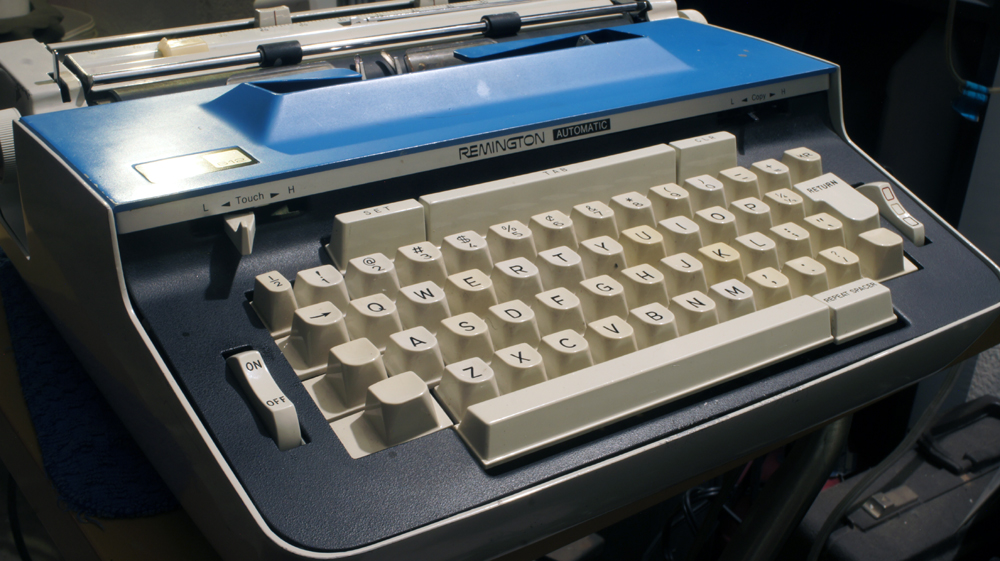
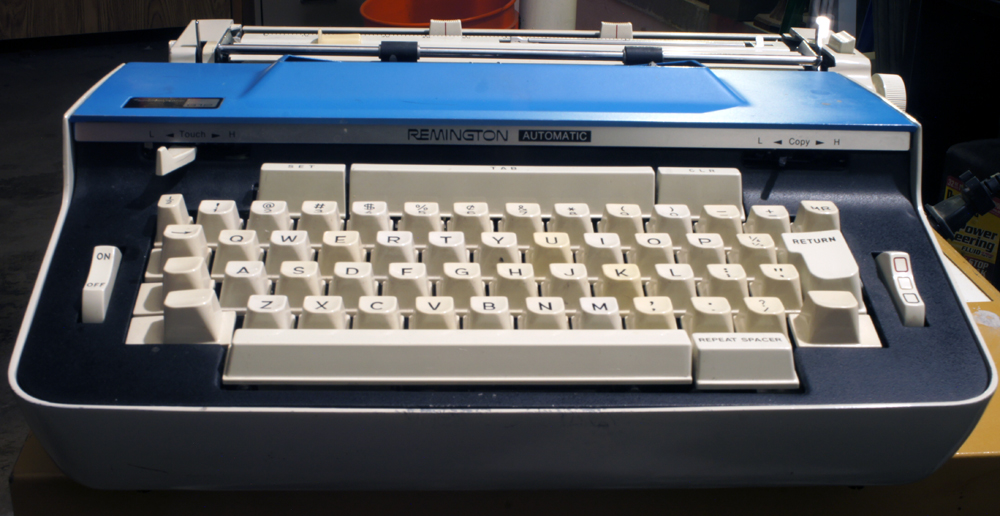
Weapon of Choice: 1971 Remington Automatic 612 (Brother JP-4)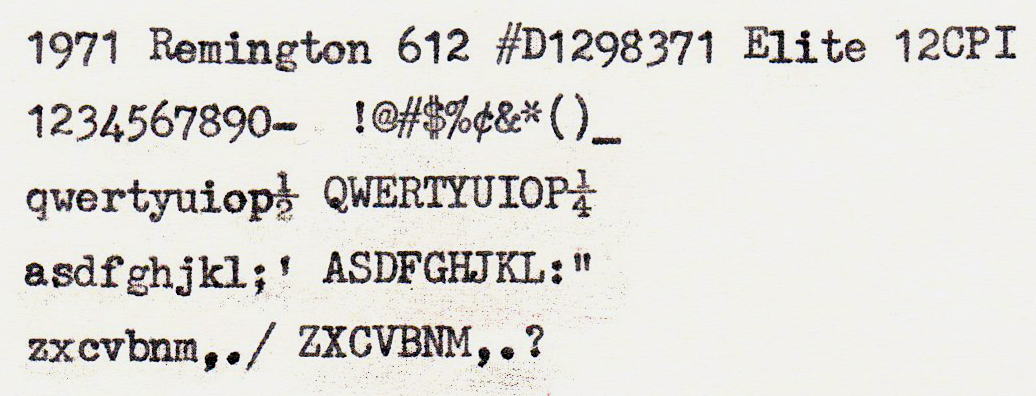
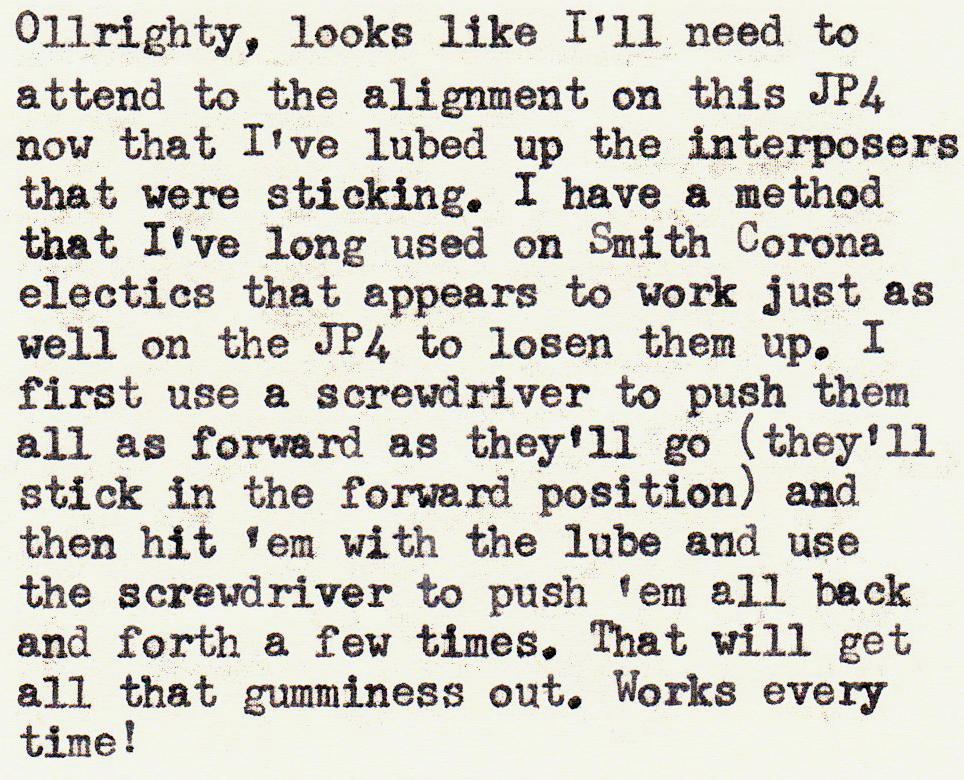
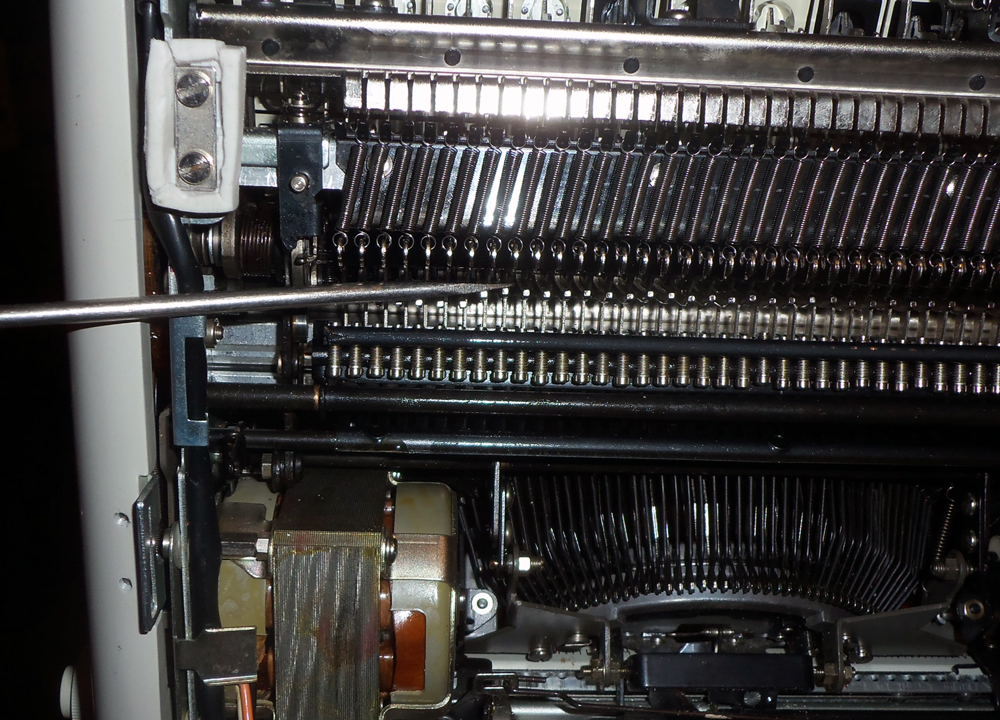
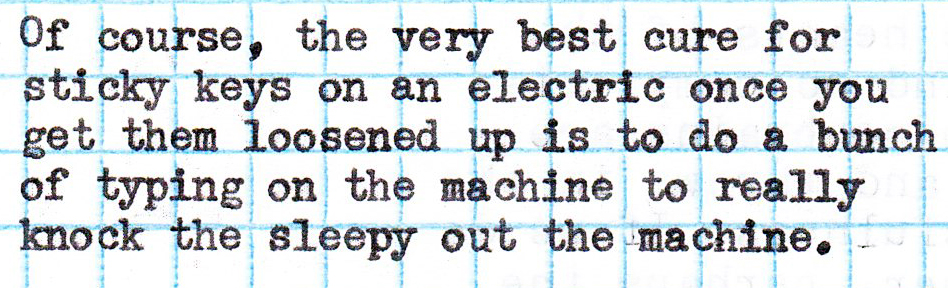
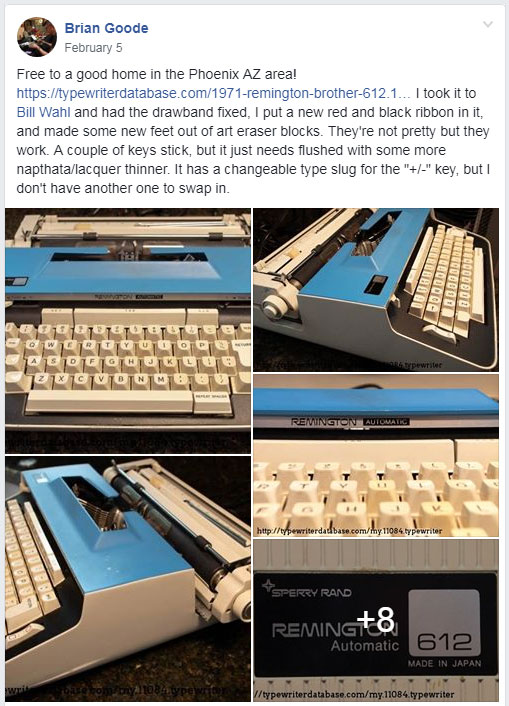
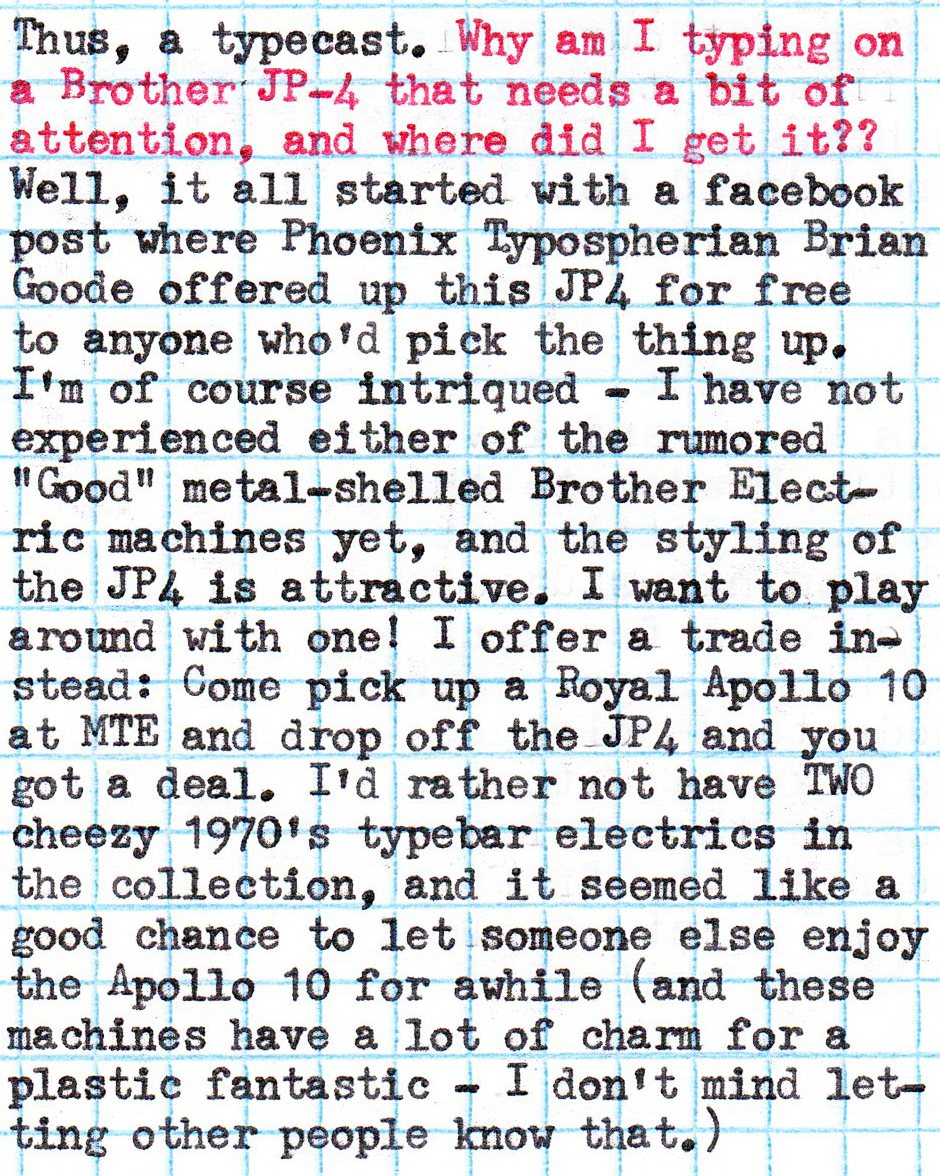
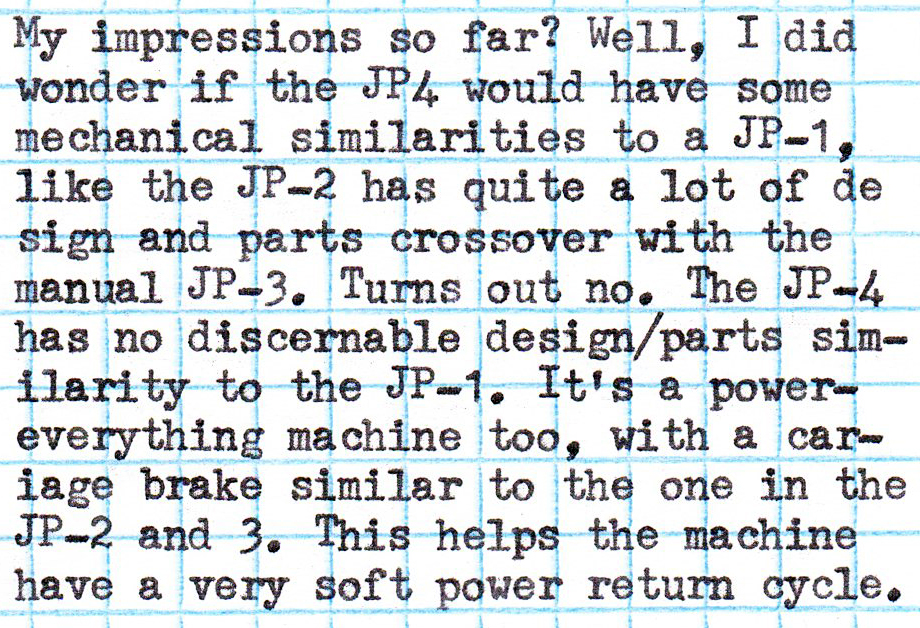
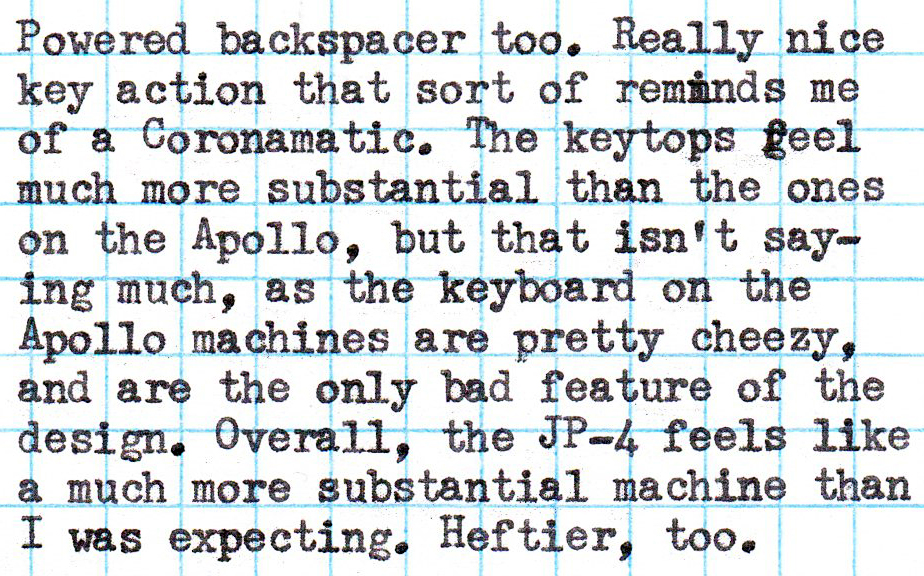
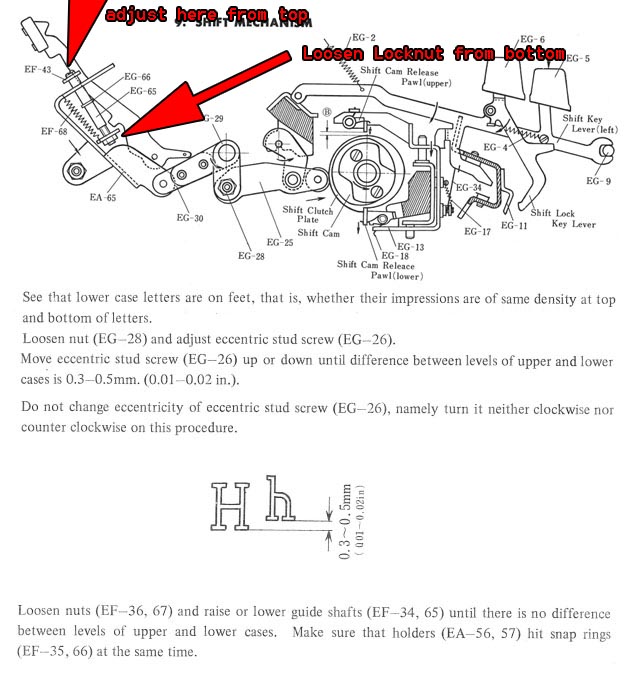
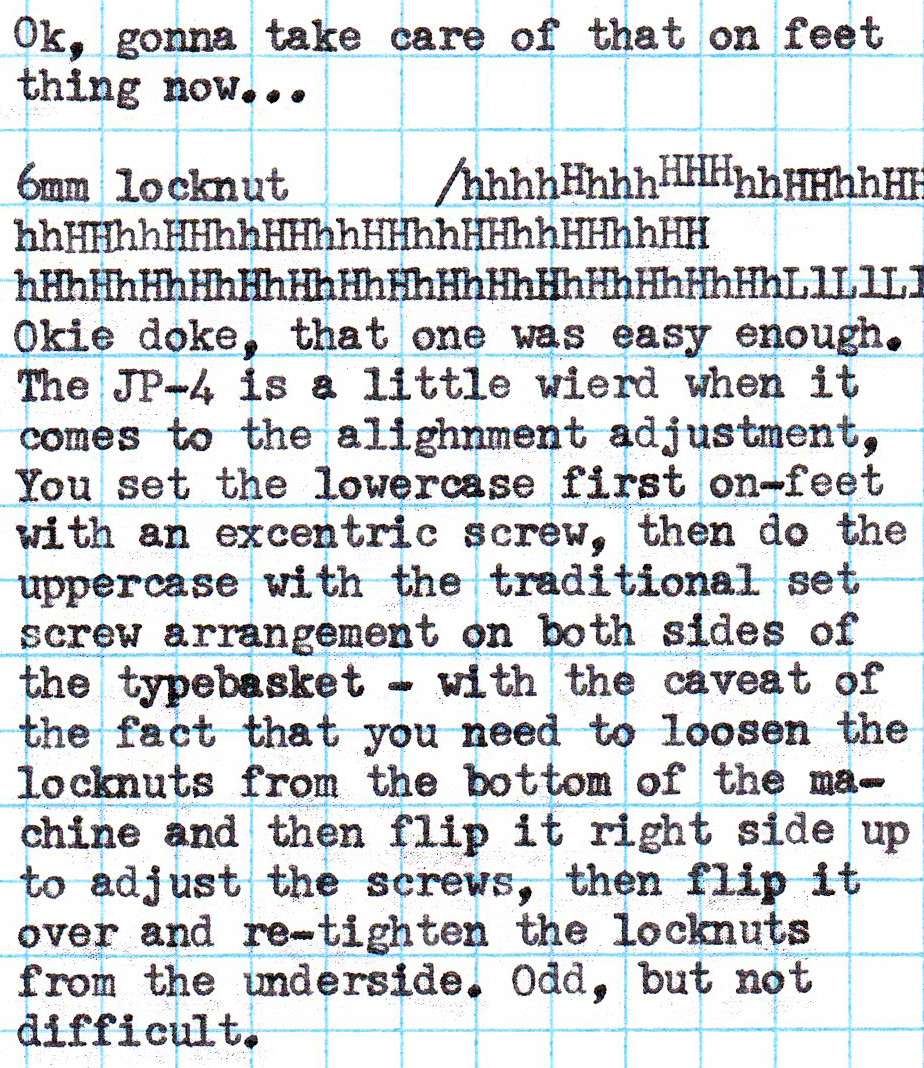
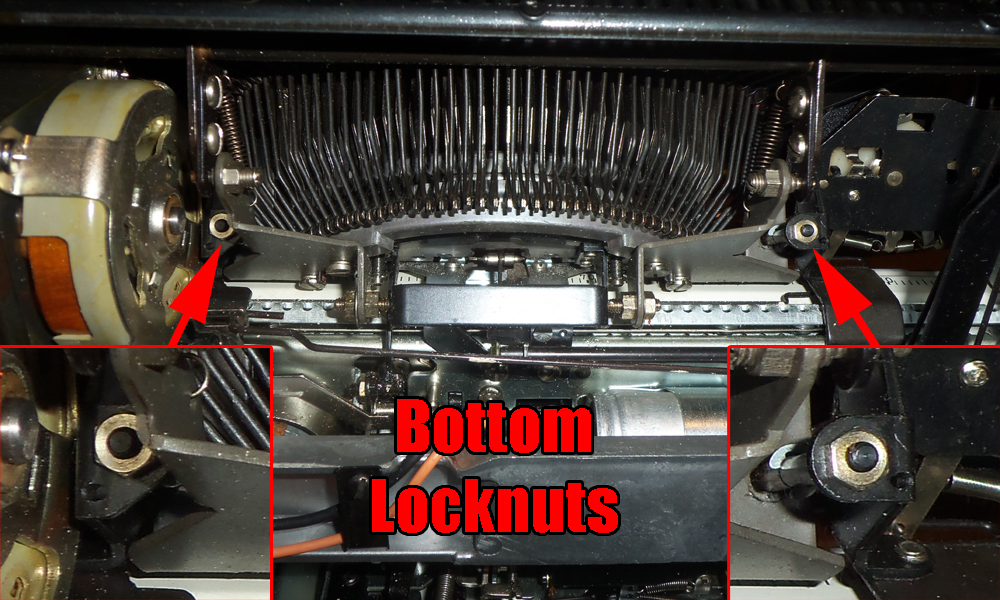
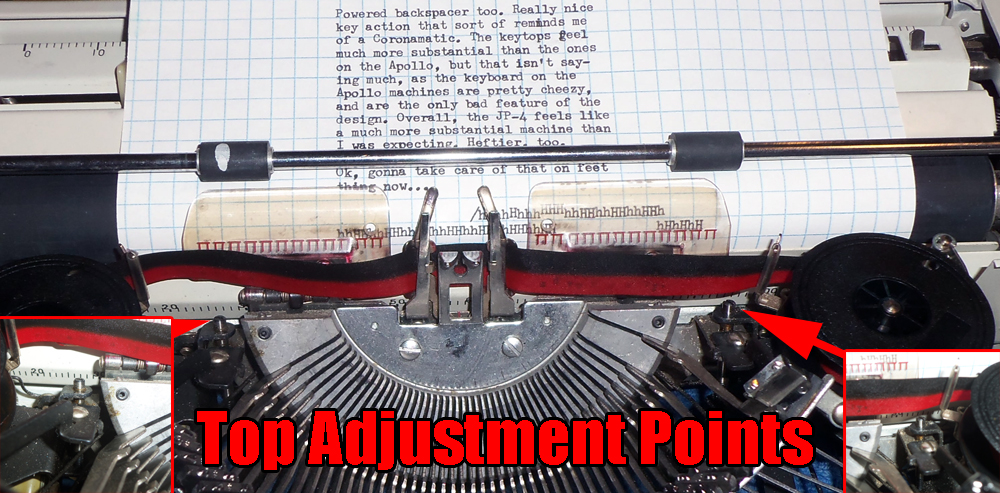
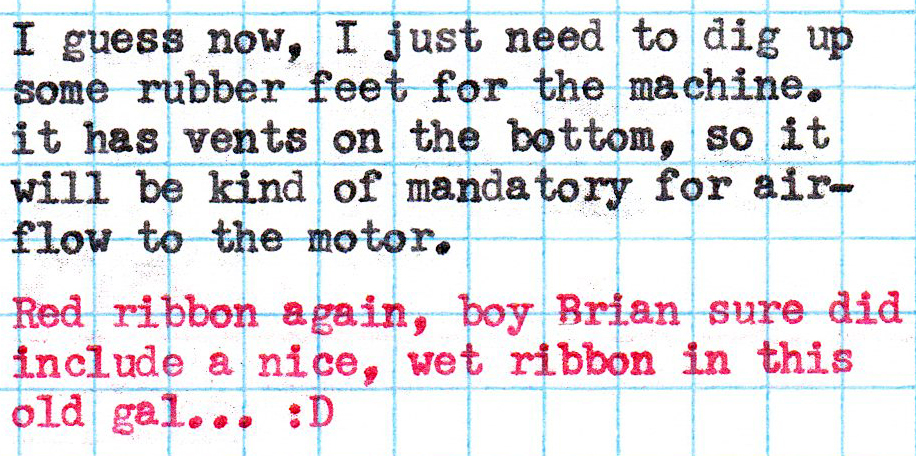
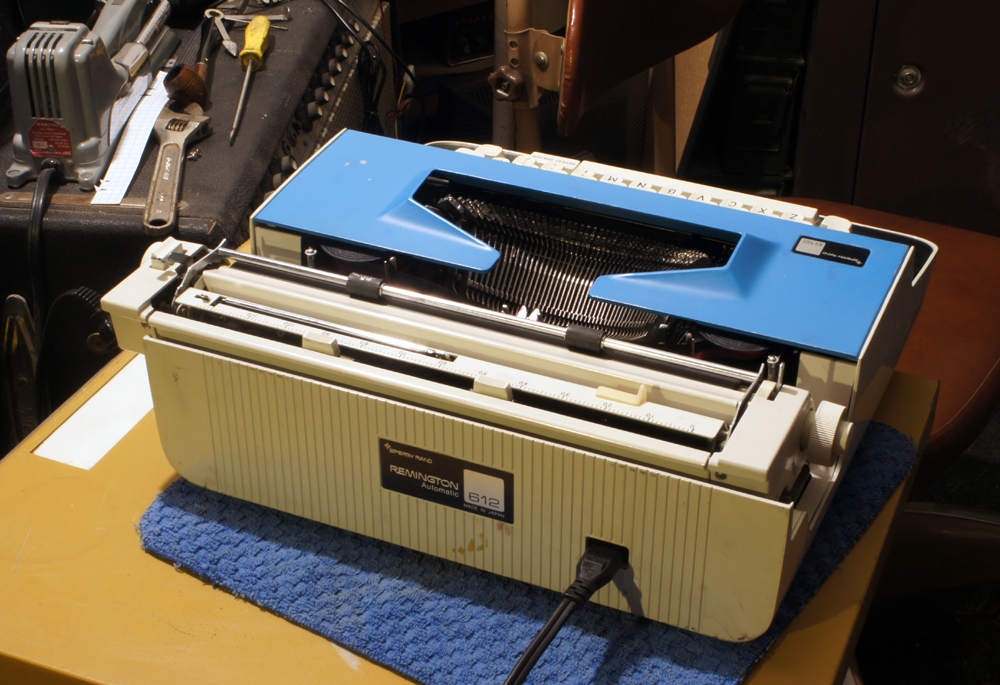
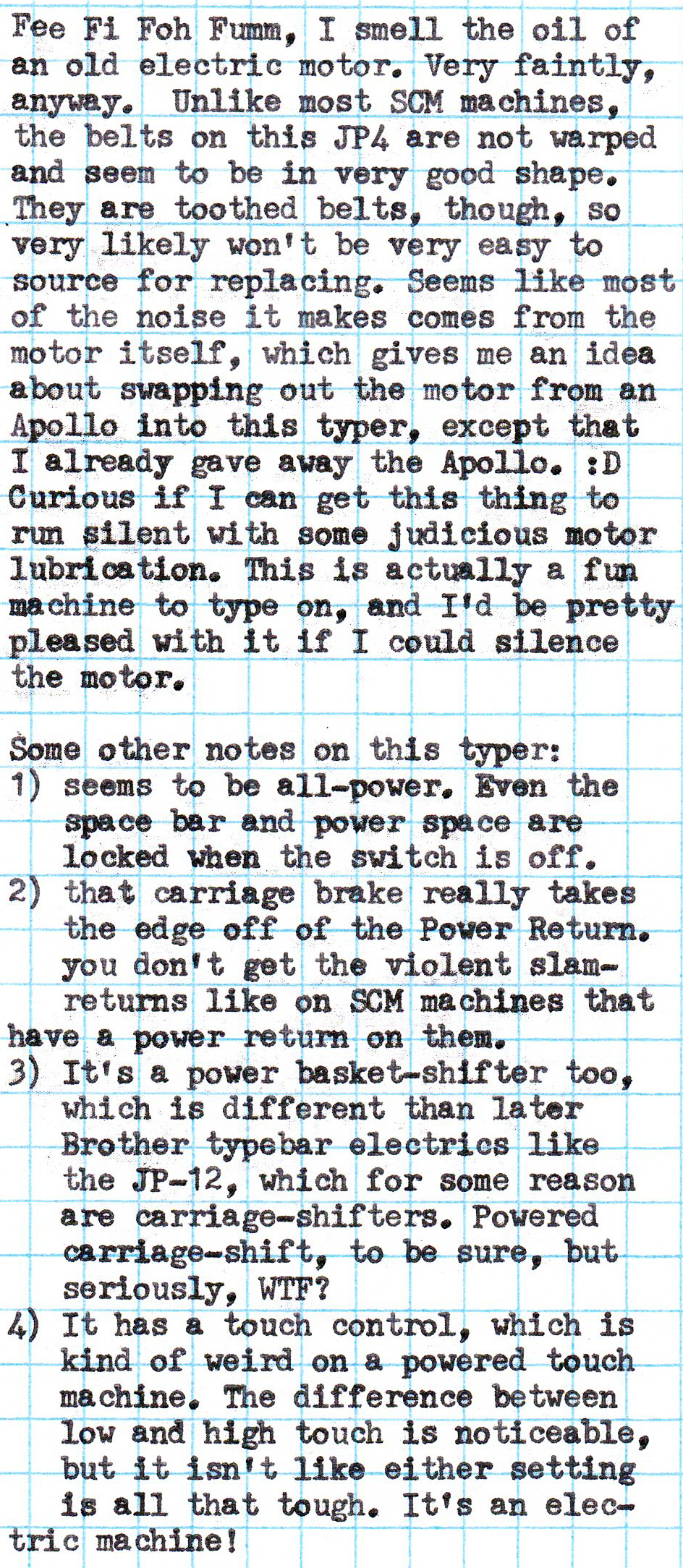
I’m also working on a package for Joe, and according to the audio letter he sent, I have about 3 months to fill up the opposite side of the tape. Well now, 3 months is enough time to fill up a whole box, I’d think. Since the JP-4 needs some random daily typing to make sure the actuators stay limber, I’ll be typing little notes to include in the box for him. I happened to offer my opinion of the machine in one of these notes that I think is probably relevant to include in this typecast.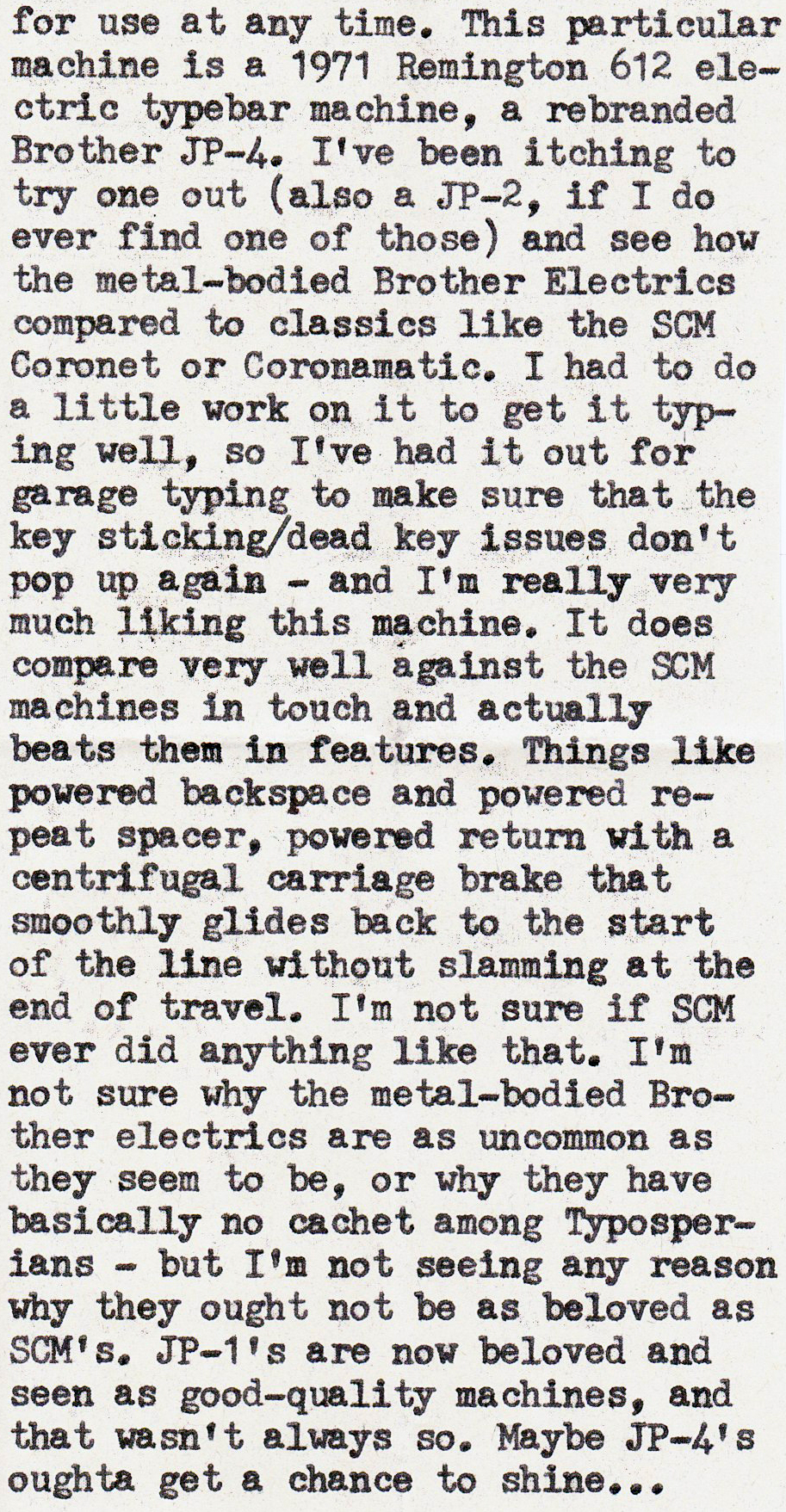
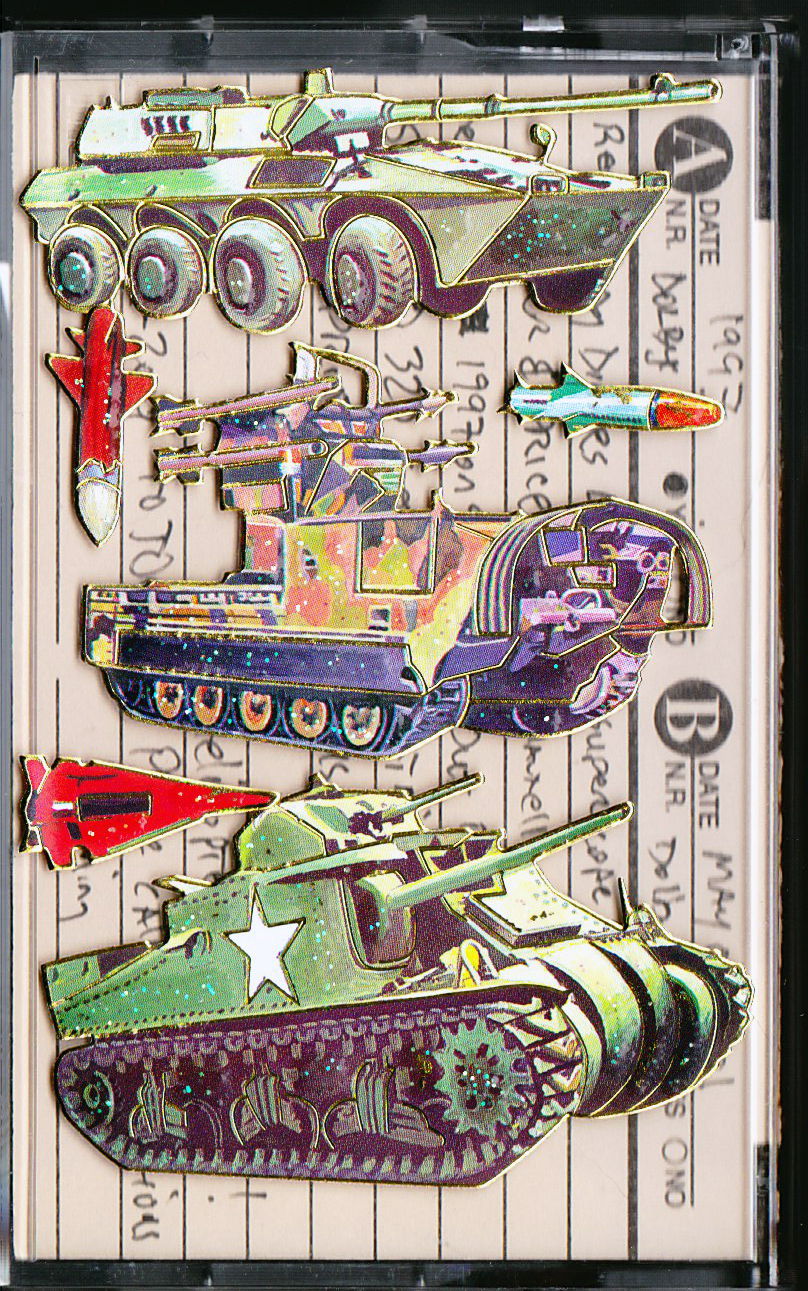
Speaking of the box of stuff for Joe, here’s a teaser for one of the things going in the box. I believe I’ve talked a little bit about this recording in a previous post, and now I rendered out a one-off cassette copy. I suppose you could say that Joe is the “Second Brother” of the post title, as he is my Brother In Christ, a Brother Typospherian and a Brother in Appreciation of Tape..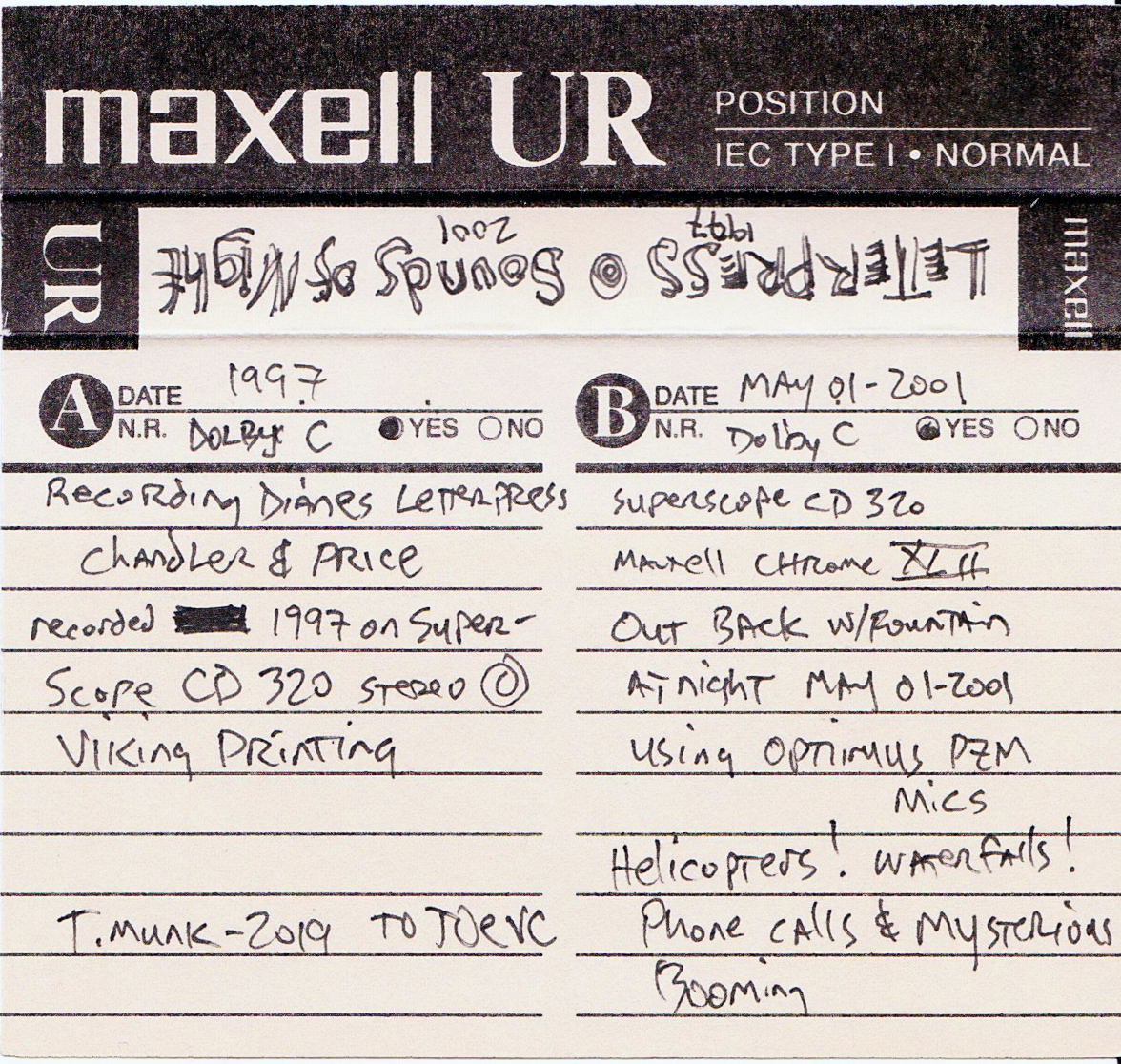
Ahh, here’s that previous post.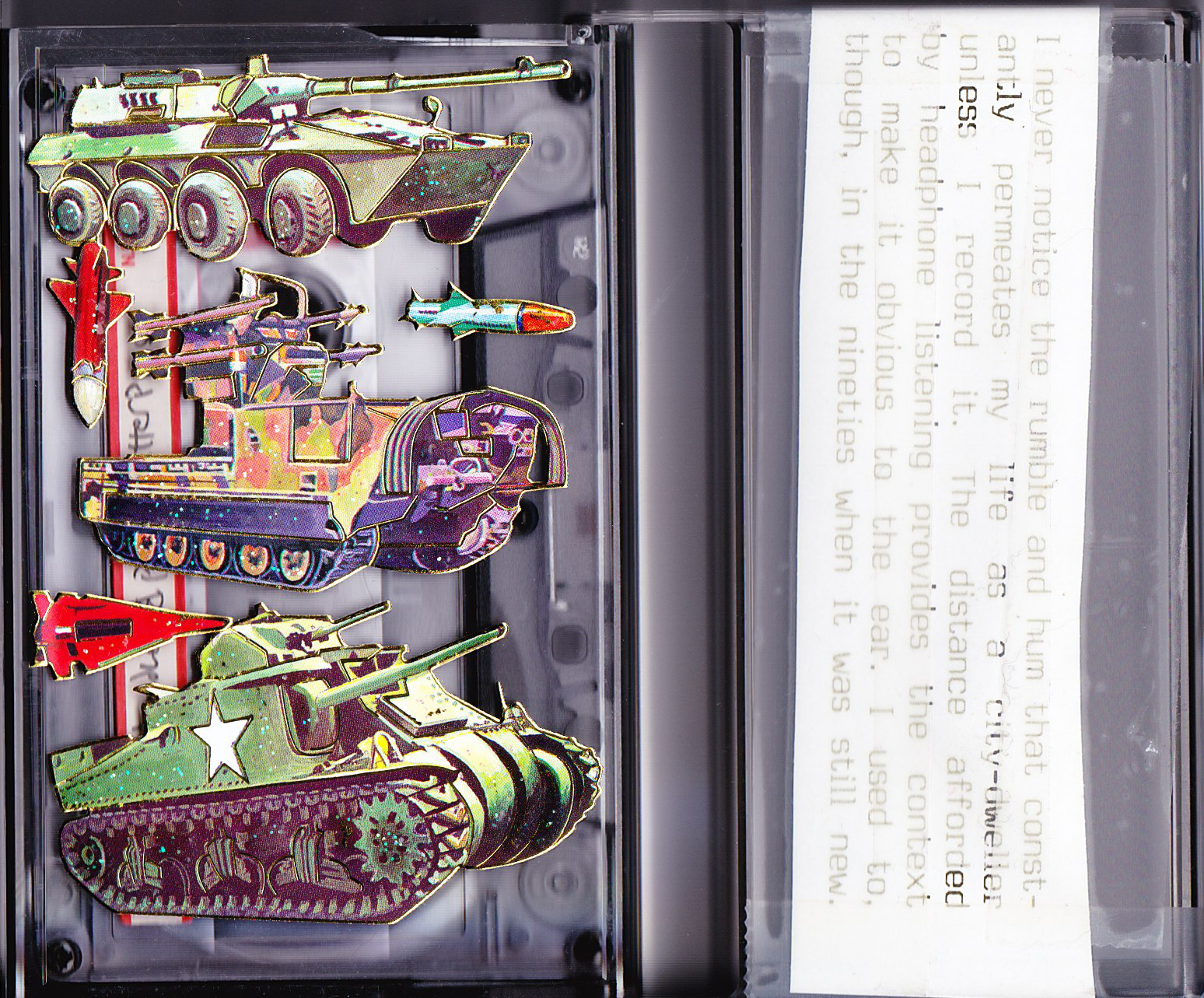
The “Third Brother” then is this, I think. Last time I was at MTE I had a conversation with Bill Wahl that wandered into obscure Brother models. He mentioned being trained to work on one Brother model that was a Daisywheel, but with a moving carriage rather than a moving print head. That struck loose something I had been wondering regarding a Mystery machine I’d uncovered in the Sears Age List research. The Electronic Corrector of 1982/83 was a Daisywheel machine with a moving carriage and it lived in a suspiciously Brother JP-11/JP-14-ish shell design. Was this short-lived machine the elusive Brother JP-13 of that same era? I think it very well could be, and I would really like to examine one to see for sure if it carried a Brother serial number…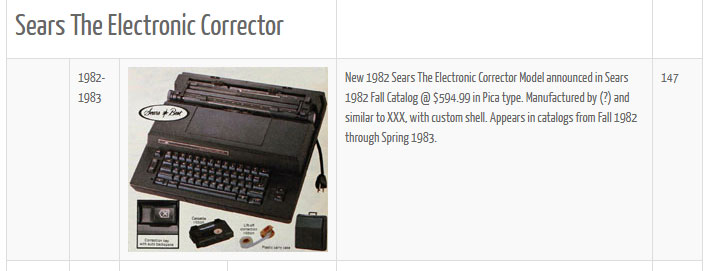
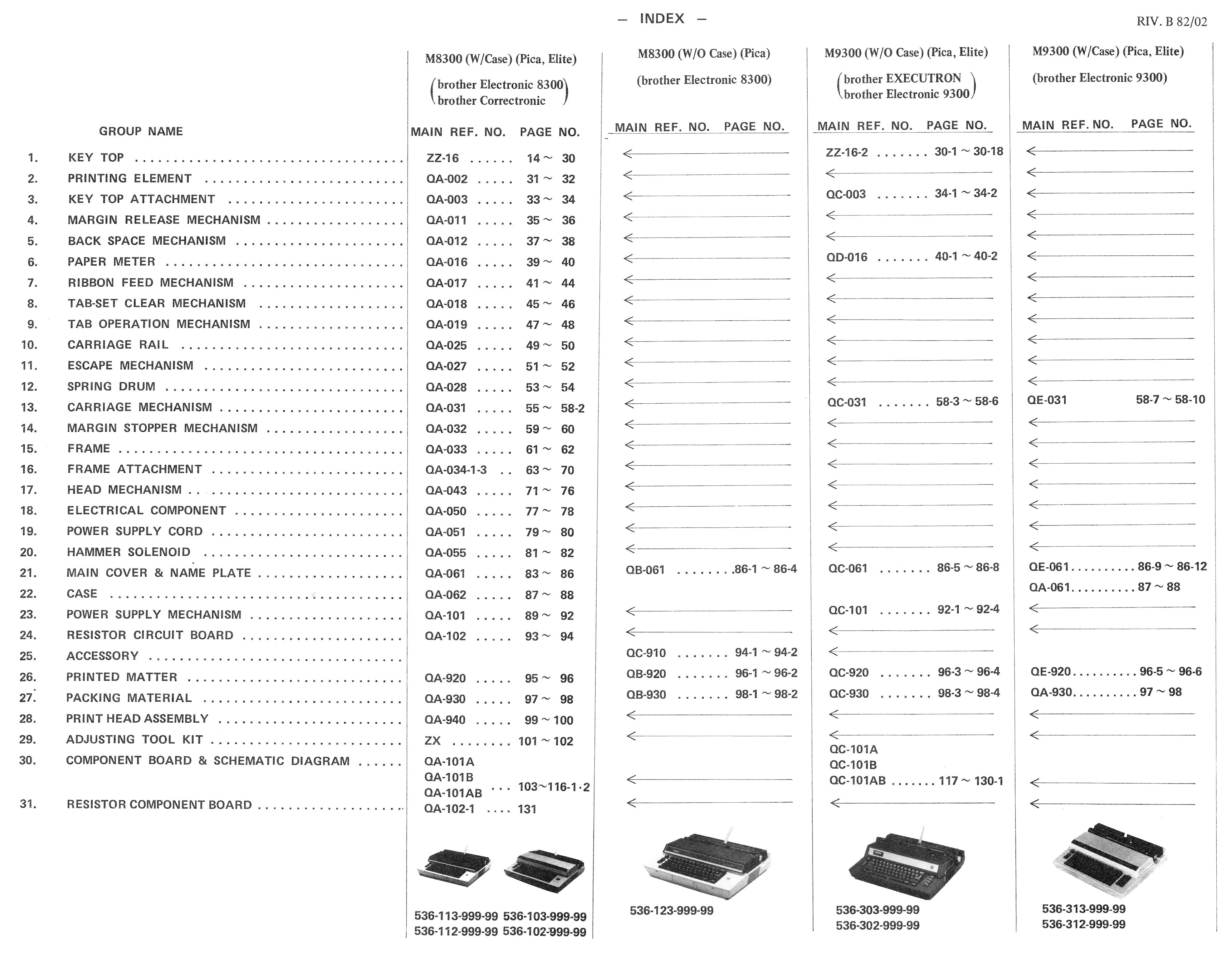
UPDATE: Some back & forth in the comments with Steve K turned up some of the Brother M8300 & M9300 machines that this Sears Electronic Corrector is based on, and prompted a re-examination of the service manuals I have. Turns out this is a JP-16, not a JP-13, and I need to break out the moving-carriage JP-16 from the “normal Wedge” JP-16X and JP-16XX. They are completely different things, and the JP-16 turns out to be a weird hybrid of the most complex parts of Electronic typewriters (the Daisywheel electronics) and the most complex parts of a non-electronic Electric (the moving, powered mechanical carriage. Our data suggests the model lasts from 1981 to at least 1986, but jeepers – it wasn’t really much of a good idea.
Great write-up, and I’m so happy you were able to get it up and running in fine form. When I saw it on the Goodwill shelf, filthy and broken, drawband hanging out and the carriage lolling pathetically to one side, I was struck by what a shame it was. Manual portables get snatched up in a second these days and command ridiculous prices on the ‘Bay, yet here was a clearly well-built stylish machine rotting on a thrift shore shelf. Glad it has found a good home!
Nice work on the JP-4.
Wish I still had my cassettes from back in the 70s. I did not do as much as I ever thought I’d do, and now wish I had more interviews with the people around me and some of the day to day sounds. I have plenty of local bands recorded though. All on R-R from my Crown CX-724 and EV-665s. Sadly missed since I sold it when I moved to Florida.
I think that Electronic Corrector was probably an “Electronic 9300”. They have a bevelled top/front cover and a (usually) lighter body that make it very reminiscent of a Brother Super 7200/7300/7500 (JP-11)
The 8300, on the other hand (one sighting shows JP-16 on the underside of the lid as listed on your Brother page ;)) and looks more like the Brother 7800/7900 even though it’s the lowest-spec machine of those two daisy machines.
It seems they both have a flatter profile than their golf ball counterparts and both seem to be about the same size. Will add a couple of sightings on the database. ;)
Just realised I already *did* add two of ’em to the database! ;)
Allrighty, that’s excellent! Somehow I knew you’d be the one to know something about these, or at least be most likely to have encountered one. (:
Ok, so you’ve sighted both a Brother M8300 and M9300, and from the photos it appears the “Sears Electronic Corrector” is equivalent to the M9300. I see from the case stamping on the M8300 that we’re looking at least at one JP-16, and what I distilled from the service manuals suggests I thought the JP-16 was a regular wedge like the JP-16X && JP-16XX.
So, next step I gotta dig up the manuals again and re-examine the JP-16. I’m going to guess I’ll find that all three of these are JP-16, and I need to update the Sears page and break out the JP-16 from the 16X and 16XX on the Brother page.
and still no leads on the JP-13. ):
Correctronic (8300) entry I added on the database contradicts what I said in my initial comment. Still learning as we go … ;)
As always, a very entertaining read. I am adding “interposer” to my vocabulary. Out in the thrift stores, I run across Smith Corona electrics (many with gummy interposers), but so far no other brands of typebar electrics.
Yep, they seem to be quite uncommon. I’ve never actually encountered a JP-4 in the wild before, and I’ve passed over a *lot* of Nakajima electrics. The Brother electrics may not have been anywhere near as popular as the manual models.